Commercial Storm Damage in Bellwood, IN
Low slope roof failures and the floors below them. Bellwood Water Restoration dries Bellwood commercial buildings while the tenants keep working.
Bellwood Water Restoration is the Bellwood call for Commercial Storm Damage: emergency crews around the clock, moisture readings instead of guesswork, and insurance files built properly. Call (765) 676-3491.
- Service: Commercial Storm Damage for Bellwood homeowners
- Service area: Bellwood, IN and surrounding areas
- Response time: 24/7 answering with priority emergency dispatch across Bellwood
- Licensed and insured (License #RC21100059)
- Serving Bellwood, IN since 2018
Commercial Storm Damage Cleanup in Bellwood
We'll secure and dry commercial buildings in Bellwood after a storm opens the roof or floods a lower level.
Storms Here
Spring and summer are severe thunderstorm season here. NWS Indianapolis posts summaries of past storms, which helps when your carrier asks for a date.
We respond to storm calls from businesses anywhere in Bellwood, including those around the Mannheim Road commercial corridor. We also handle commercial storm damage in Stone Park, Hillside, Berkeley and Maywood.
Commercial Storm Damage for Bellwood Businesses
Your Bellwood building has to open tomorrow and there's standing water across half a floor plate. Shutting the whole tenant space down costs more than the water did, which is why the drying plan matters as much as the extraction. Bellwood Water Restoration works commercial losses in Bellwood, IN around an operating business, with containment that keeps the wet area separate from the part of the floor people are still using.
Storm water in a commercial building usually comes through the roof, so Bellwood Water Restoration reads the roof assembly and every floor under the breach. Readings come off the insulation, the deck and the gypsum, then down the column lines and partitions where the water tracked. Every reading gets keyed to a floor plan of your Bellwood building, so the scope covers what the water reached.
The first move on every Bellwood Water Restoration commercial job is getting the water stopped. A crew puts a temporary dry in over the membrane breach or the open flashing detail, which gives the drying equipment underneath a chance to win. Extraction starts under the affected area while that's happening, and the roof stays on the work order until a permanent repair takes it over.
Bellwood Water Restoration builds the mitigation package in the format commercial adjusters work in, with an itemized scope, photo documentation by location, daily moisture and humidity logs, an equipment inventory with hours and a floor plan marked with the affected areas. You and your broker decide how to use it with your carrier, and the team answers questions in writing with you copied.
If the ceiling's holding water in your Bellwood building, keep people out from under it and call Bellwood Water Restoration for a two hour dispatch. The crew pulls the wet tile and insulation and photographs what the storm reached above the grid before the scope gets written.
Signs You Need Commercial Storm Damage Restoration
If you notice any of these in your Bellwood building, schedule a free inspection before the issue worsens.
Stored records or fixtures with wet edges or water stains along the bottom
Water standing in a elevator pit, or a pit pump that's been cycling longer than usual
Water lines on the lower walls of a dock office or receiving area
Fresh brown rings on ceiling tile directly under an interior roof drain line
Corrosion on a fire sprinkler line or head where the pipe runs close to the roof deck
Silt or sediment left as a film on the receiving area floor once the water drains off
Vinyl cove base curling or pulling away from the wall along an exterior wall
Floor boxes near the glass line with corrosion or standing water inside
Water dripping from a light fixture, an air diffuser, or a sprinkler escutcheon after a hard rain
The smell of damp cardboard in a stockroom that gets stronger after each heavy rain
How Bellwood Water Restoration Handles Commercial Storm Damage
We follow these steps in order on every Bellwood job.
Water Category Call
Rain that started clean can worsen in category as it sits, so the crew classifies the water as it entered and again as it has aged. That call sets which materials get cleaned in place and which come out.
Extraction and Debris Removal
Standing water comes off floors with portable and truck mounted units. Saturated lay in tile and wet batt insulation get bagged and hauled out. Water held in the plenum is released through controlled openings so it stops dripping onto tenant equipment.
Containment and Air Control
Barriers go up at a corridor wall or partition line so one wet bay doesn't shut a whole floor. Negative air machines with HEPA filtration run where materials are coming out, and the crew keeps equipment clear of egress paths.
Daily Readings Logged
Each day brings temperature, relative humidity and material moisture readings logged against an unaffected baseline elsewhere in the building. Equipment moves based on what the numbers show. The property manager gets the readings and the photos the same day.
Closeout File and Walkthrough
A walkthrough with the property manager closes the job, and the crew hands over one organized file with the photos, the readings, the equipment run hours and the scope. Ownership and the carrier's reviewer can read it start to finish.
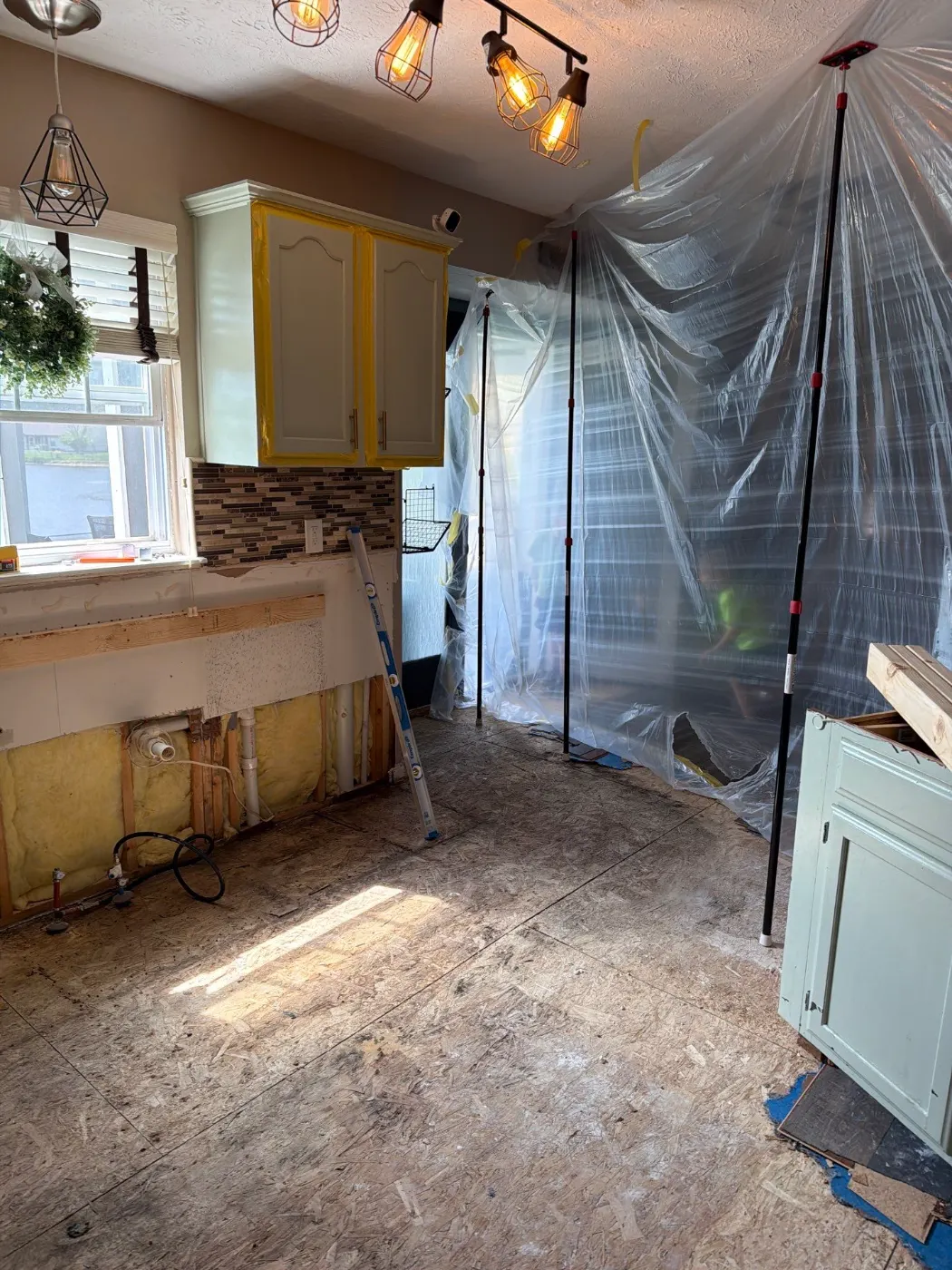
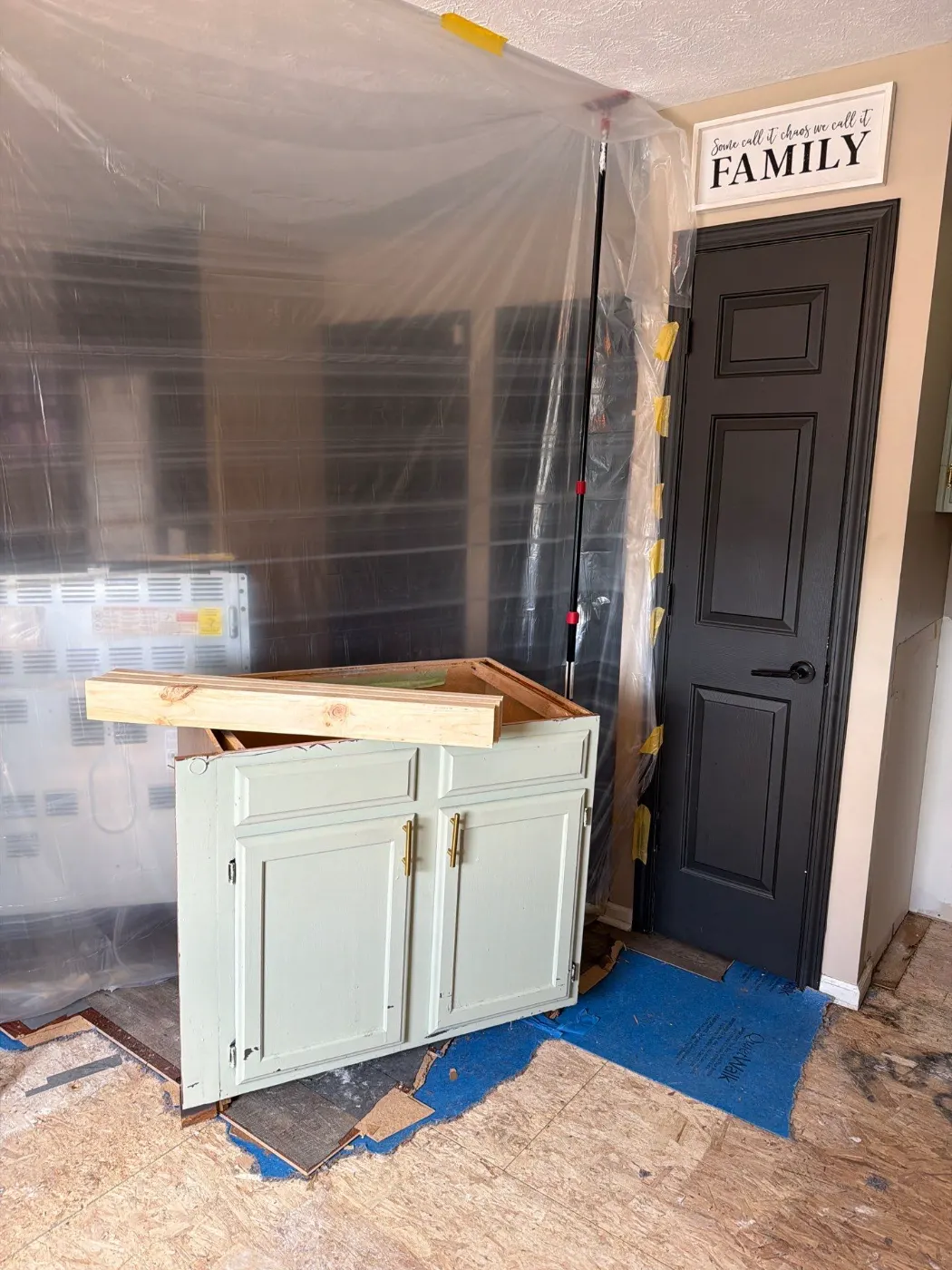
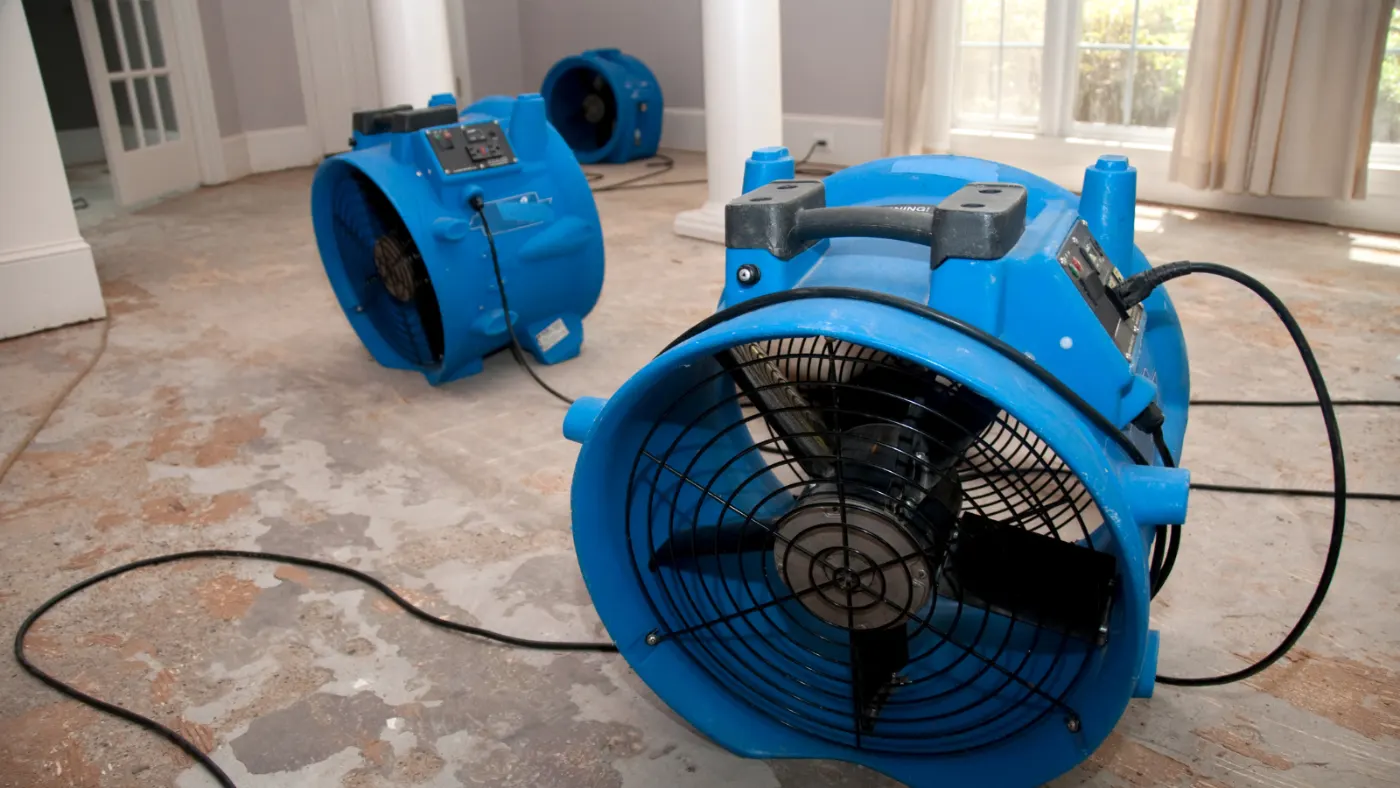
Commercial Storm Damage in Bellwood
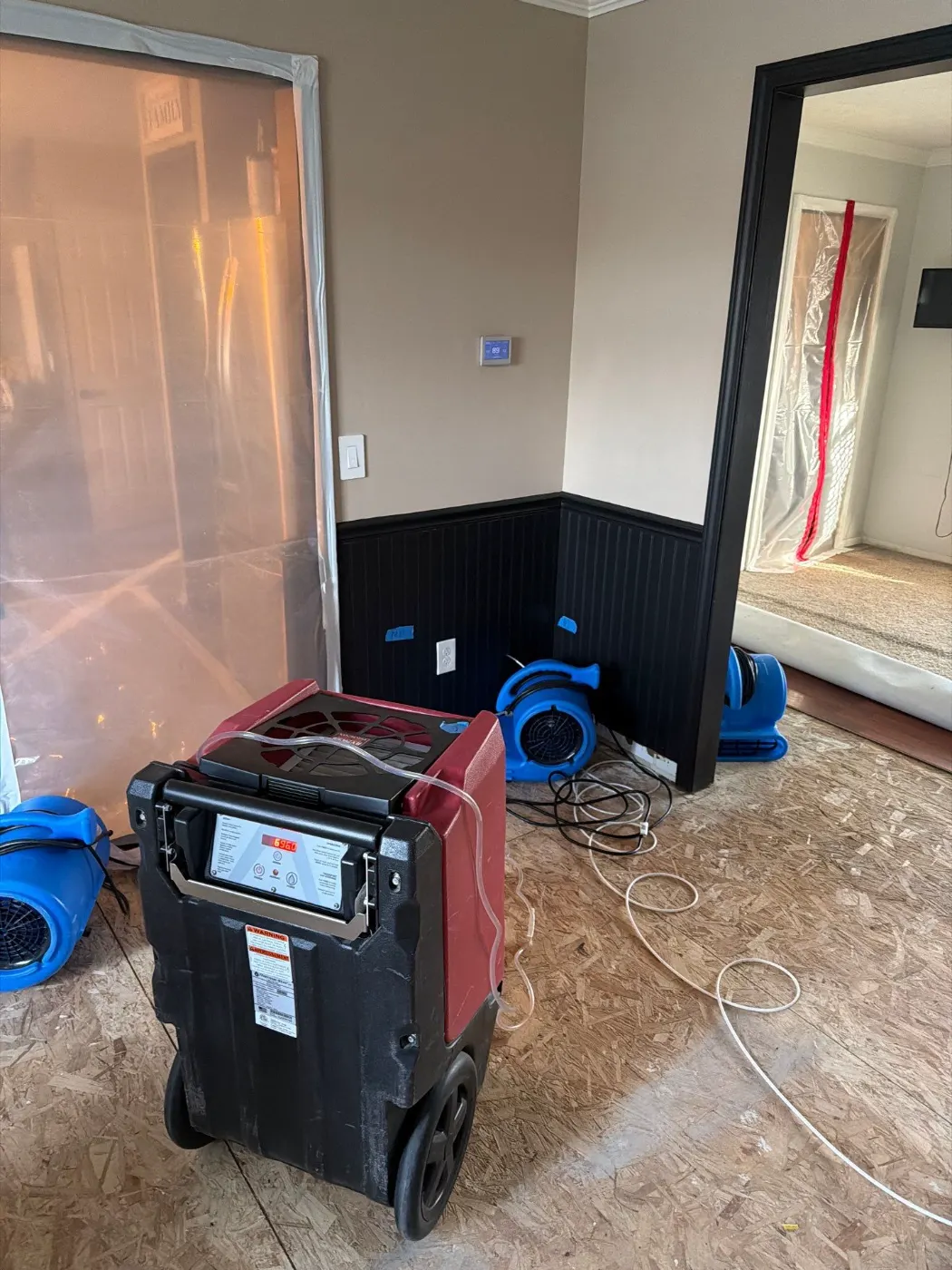
Photographs from real commercial storm damage jobs completed by our crew in Bellwood and surrounding areas.
Commercial Storm Damage FAQ
Questions Bellwood property managers ask us about commercial storm damage restoration.
Guidance and Standards for Commercial Storm Damage
- The National Weather Service office in Indianapolis posts summaries of recent central Indiana storm and flood events. NWS Indianapolis Event Summaries
- The ANSI/IICRC S500 is the published standard for professional water damage restoration. The current edition is the Fifth Edition, 2021. IICRC S500 Standard
Bellwood Neighborhoods We Serve
We take commercial storm damage calls in every part of Bellwood. Pick your neighborhood for local details.
Other Restoration Services in Bellwood
Bellwood Water Restoration handles the full scope of restoration work. Explore our other services below.
Water Damage Restoration in Bellwood
24/7 emergency response. IICRC certified water restoration from extraction to full dry out.
Learn more →Basement Flooding in Bellwood
Basement water emergencies handled fast. Extraction, drying, mold prevention.
Learn more →Sewage Cleanup in Bellwood
Category 3 biohazard cleanup. Full containment, decontamination, structural restoration.
Learn more →Request Commercial Storm Damage Restoration
Reach Us Directly
Our team is available 24/7 for emergencies and ready to schedule inspections during business hours.
Need Immediate Help?
For active water or mold emergencies, call us directly. We are available 24/7.